How Youth Sports Shape Development, Confidence, and Life Outcomes
Youth sports are often framed around competition; wins, losses, and rankings, but the deeper value lies in how sports shape a child’s physical, emotional, and psychological development over time. A growing body of research from organizations like the Aspen Institute, CDC, and various pediatric and sports psychology associations shows that structured athletic participation plays a critical role in building resilience, social skills, and long-term success habits.
Roughly 60% of children in the U.S. participate in organized sports at some point before age 18, yet dropout rates climb sharply during adolescence. Understanding what sports provide at each developmental stage helps explain why sustained participation is so important, not just for athletic success, but for life outcomes.
Ages 6 to 10: Foundation of Confidence and Social Skills
At this stage, youth sports are less about performance and more about exposure, enjoyment, and foundational growth.
Key developmental impacts:
- Motor skill development: Kids refine coordination, balance, and basic movement patterns
- Socialization: Learning how to share, cooperate, and communicate within a team setting
- Confidence building: Positive reinforcement from coaches and peers contributes to self-esteem
- Emotional regulation: Early exposure to winning and losing introduces basic coping mechanisms
Data from pediatric sports studies suggests that children involved in sports at this age show improved classroom behavior and higher levels of engagement in school activities. Importantly, this is also where children begin forming their perception of effort, learning that practice leads to improvement.
If the environment is positive and development focused, kids associate sports with enjoyment and growth. If it’s overly competitive too early, dropout risk increases later.
Ages 11 to 14: Identity, Resilience, and Work Ethic
This is a pivotal stage where youth begin to connect effort with outcomes and start forming a stronger sense of identity.
Key developmental impacts:
- Resilience under pressure: Competition becomes more structured, and athletes face higher expectations
- Work ethic formation: Training becomes more intentional, practice is no longer just play
- Peer influence and belonging: Team environments become central to social identity
- Emotional highs and lows: Athletes experience success, failure, selection, and sometimes exclusion
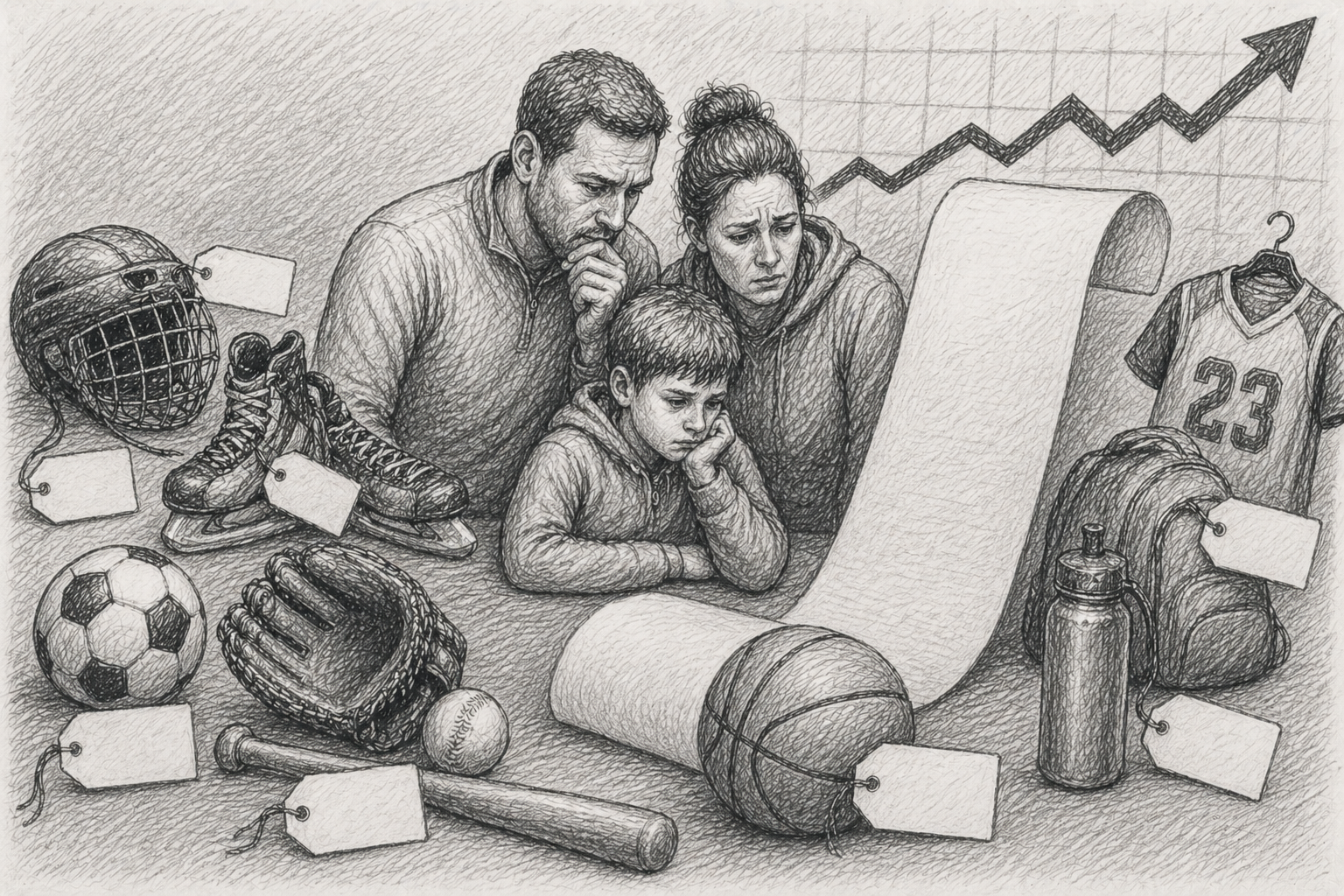
According to the Aspen Institute, this is also where dropout rates spike, often because sports become less fun or more expensive, or because athletes feel they are “not good enough.” However, those who remain engaged develop critical psychological traits:
- Ability to handle adversity
- Delayed gratification (training for long-term goals)
- Accountability and discipline
These traits extend directly into academic performance and personal responsibility.
Ages 15 to 18: Discipline, Leadership, and Long-Term Outcomes
In the high school years, sports shift into a performance and opportunity phase. For some, this includes college recruitment; for others, it becomes a platform for leadership and personal mastery.
Key developmental impacts:
- Advanced discipline: Balancing academics, training, and competition requires time management
- Leadership skills: Older athletes often mentor younger teammates or take on captain roles
- Goal setting and execution: Athletes begin to understand structured pathways to achieve outcomes
- Mental toughness: Handling pressure, expectations, and setbacks becomes central
Research shows that high school athletes are more likely to graduate, attend college, and demonstrate higher levels of confidence compared to non-athletes. Even for those who don’t continue into collegiate sports, the habits built; consistency, preparation, and accountability, carry forward into careers and adult life.
Why Youth Sports Matter Beyond the Field
Across all age groups, consistent participation in sports is strongly linked to:
- Improved mental health and reduced anxiety/depression symptoms
- Higher self-esteem and confidence
- Stronger peer relationships and communication skills
- Increased likelihood of lifelong physical activity
Sports provide a structured environment where effort is directly tied to outcome, something that is not always immediately visible in other areas of life.
The Link Between Personal Development and Competitive Success
Athletic success is often misunderstood as purely talent-driven. In reality, long-term performance is far more dependent on personal development traits cultivated over time.
Athletes who succeed consistently tend to demonstrate:
- Discipline: Showing up consistently, even when motivation fluctuates
- Resilience: Bouncing back from losses, injuries, or setbacks
- Coachability: Ability to accept feedback and apply it
- Focus: Maintaining attention on long-term goals
These qualities are not innate; they are built through repetition, structure, and experience within sports.
As athletes develop these traits, their performance improves. As performance improves, they experience success. And that success reinforces the belief that hard work produces results.
The Life Lessons That Last
One of the most valuable aspects of youth sports is how clearly it teaches cause and effect:
- Effort = Improvement
- Preparation = Confidence
- Failure = Learning opportunity
- Consistency = Results
These lessons are transferable far beyond athletics.
An athlete who learns to push through a tough practice, recover from a loss, or commit to a long-term goal is building a framework for handling challenges in school, careers, and relationships.
Perhaps most importantly, sports teach that success is earned, not given. And when young athletes experience success that comes directly from their own hard work, it builds a level of confidence that cannot be replicated elsewhere.
Youth sports are not just about creating better athletes, they are about developing better people.
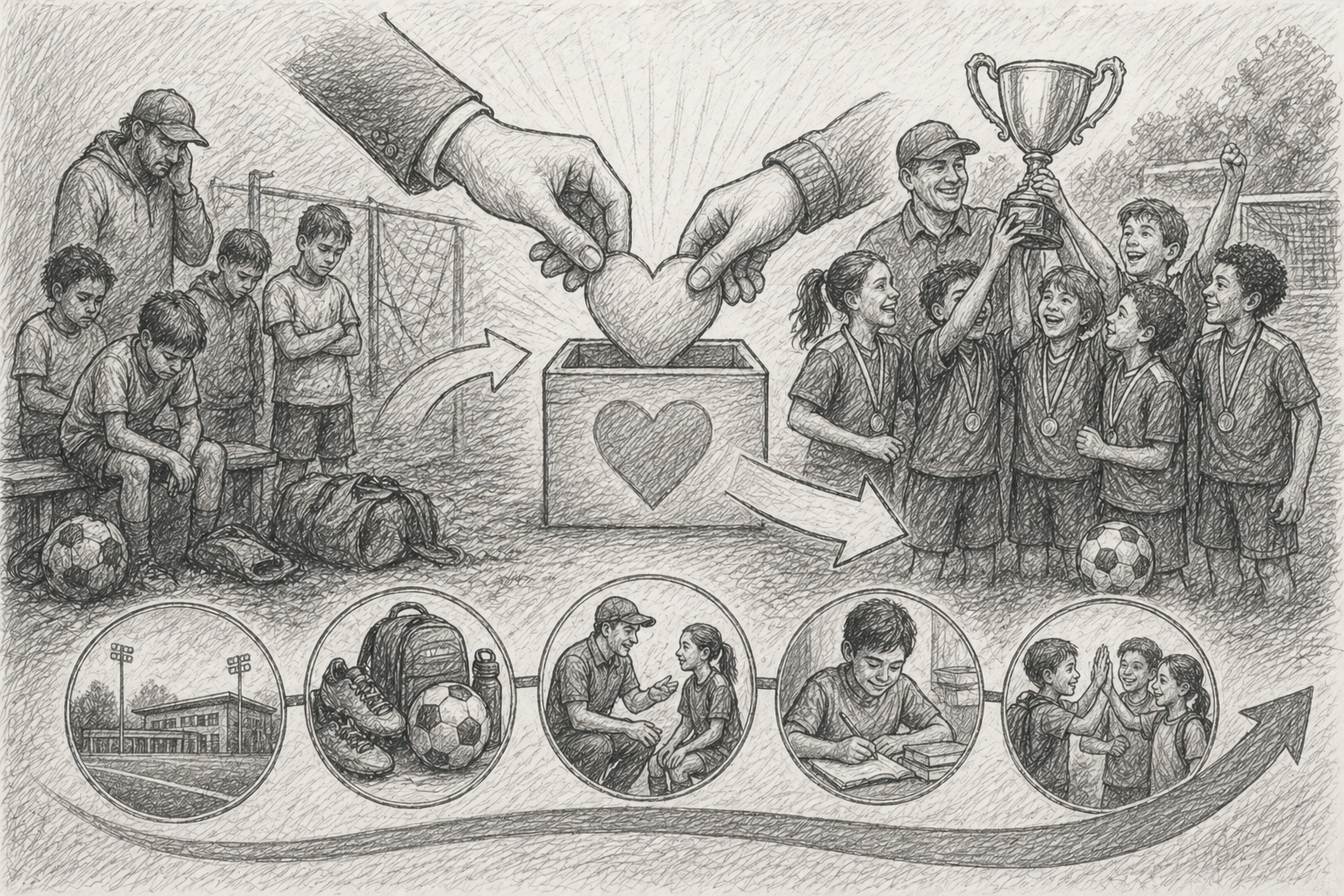
From the first introduction to teamwork at age six, to the disciplined pursuit of goals in high school, sports provide a structured, challenging, and rewarding environment for growth. When supported correctly, they become one of the most effective tools we have for shaping confident, resilient, and capable individuals.
The scoreboard may define the outcome of a game but the real victory is in who the athlete becomes along the way.